

Zimbabwe researchers advance mealworms as alternative livestock feed protein
Matopos Research Institute is exploring mealworm protein as a locally produced alternative to conventional livestock feed ingredients.
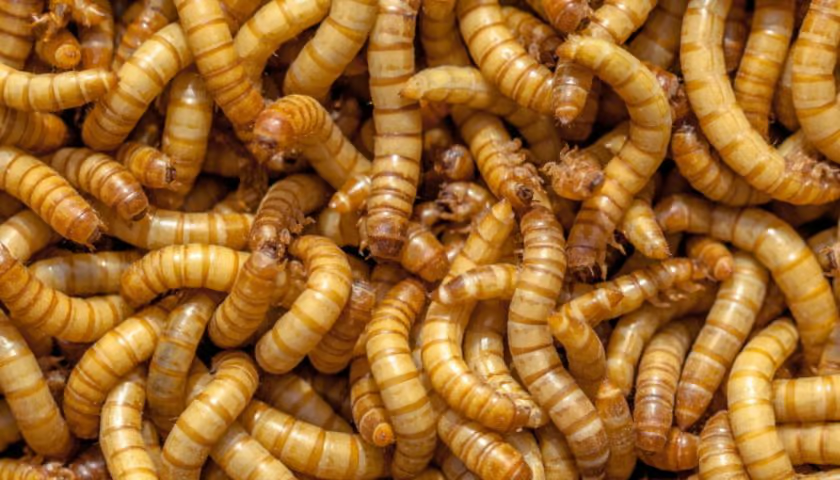
ZIMBABWE – Researchers at Zimbabwe’s Matopos Research Institute are advancing the use of mealworm meal as an alternative protein ingredient in livestock feeds, as rising costs of conventional feed materials increase pressure on the country’s livestock industry.
The research has evaluated the inclusion of mealworm larvae meal in broiler diets, finding that it could replace blood meal at high inclusion levels without negatively affecting bird growth performance or carcass yield.
The institute has also developed and registered mealworm-based starter, grower and finisher diets for poultry, highlighting the potential of insect protein in commercial feed formulation.
Mealworms are the larval stage of the yellow mealworm beetle (Tenebrio molitor). They contain protein, energy and essential amino acids required for animal growth and can be dried and processed into meal for incorporation into livestock feed.

The ingredient is being explored as a partial replacement for conventional protein sources, including fishmeal, blood meal and soybean products, in poultry, pig, fish and dairy feed formulations.
Alternative protein targets feed costs
Zimbabwe’s feed manufacturers face increasing costs of protein ingredients amid strong demand, climate-related production challenges and reliance on imported raw materials.
Soybean meal, fishmeal and sunflower cake are among the ingredients used in commercial feed formulations. However, local soybean production has struggled to meet national demand, creating opportunities for alternative protein sources.

Mealworms can be reared using relatively inexpensive materials such as maize bran and wheat bran, as well as agricultural by-products. Their production also requires comparatively less land and water than conventional livestock protein production.
For feed manufacturers, locally produced insect meal could diversify protein sourcing and reduce dependence on imported ingredients, although its suitability and inclusion levels will depend on nutritional composition, production costs and feed formulation requirements.
Researchers and industry stakeholders are expected to play an important role in developing commercial production and establishing insect protein as a viable ingredient for Zimbabwe’s feed manufacturing sector.
The research highlights the potential of insect-based protein to strengthen local feed supply chains, support livestock productivity and improve feed security.
Sign up HERE to receive our email newsletters with the latest news updates and insights from Africa and the World, and follow us on our WhatsApp channel for updates.

Be the first to leave a comment