

Bovine tuberculosis affects 7.86% of Ethiopia’s cattle
A review of 34 studies identifies herd size, cattle age and breed as key risk factors, highlighting the need for stronger livestock surveillance and farm biosecurity.
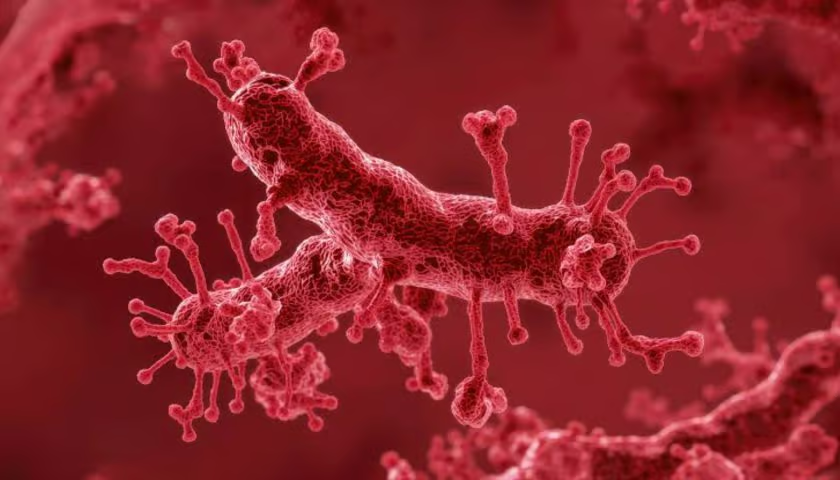
ETHIOPIA – Bovine tuberculosis affects an estimated 7.86% of cattle in Ethiopia, with older animals, exotic breeds and larger herds facing higher infection risks, according to a systematic review and meta-analysis published in Discover Public Health.
The study analysed 34 cross-sectional studies published between 2015 and 2025, highlighting the continued burden of Mycobacterium bovis, the bacterium responsible for bovine tuberculosis.
The findings point to the need for stronger disease surveillance, improved farm management and biosecurity measures across the country’s cattle production systems.
The pooled prevalence varied considerably across studies, ranging from 0% to 39.3%.

The authors attributed part of this variation to differences in diagnostic methods and geographical locations, cautioning that the national estimate should be interpreted alongside substantial uncertainty.
Herd size and cattle management influence risk
Cattle in large herds had more than four times the odds of infection compared with animals in small herds.
The authors linked this pattern to increased animal-to-animal contact and the movement of livestock between farms.
Age was another important factor. Adult cattle had 1.40 times the odds of infection compared with young animals, while older cattle had more than twice the odds.
The researchers said the pattern was consistent with the disease’s chronic nature and the accumulation of exposure over an animal’s lifetime.
Breed differences were also significant. Indigenous cattle had lower odds of infection than exotic breeds, although the authors noted that housing, stocking density and animal movement could contribute to the association.
Body condition was linked to infection risk, with cattle in good condition showing lower odds than those in poor condition.
However, the researchers cautioned that the relationship could work in both directions, as poor nutrition may weaken immunity while advanced tuberculosis can cause weight loss.
The authors recommended risk-based surveillance targeting older cattle, exotic breeds and large herds, alongside stronger farm biosecurity and regulated livestock movement.
Bovine tuberculosis also has public health implications because M. bovis can infect humans, including through exposure to infected animals and consumption of contaminated, unpasteurised milk.
The researchers called for closer coordination between veterinary and public health services under a One Health approach.
They also highlighted the need for better national data on production systems, biosecurity and other factors influencing transmission.
Despite the review’s findings, most variation between studies remained unexplained, underscoring the need for further research to guide effective disease control in Ethiopia’s cattle sector.
Sign up HERE to receive our email newsletters with the latest news updates and insights from Africa and the World, and follow us on our WhatsApp channel for updates.

Be the first to leave a comment