Algeria suspends live cattle imports amid foot-and-mouth disease outbreaks
The indefinite suspension could affect livestock supplies for slaughter as the country faces rising beef demand and pressure on red meat prices.
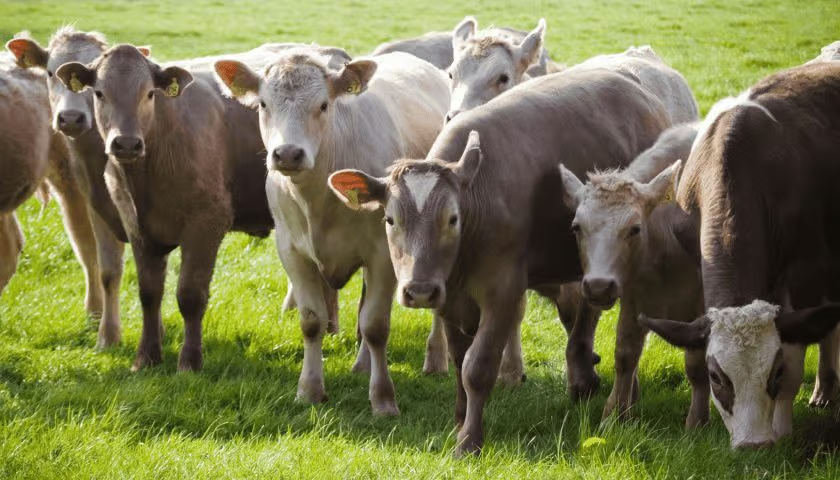
ALGERIA – Algeria has suspended live cattle imports until further notice and revoked all existing sanitary import exemptions following reports of renewed foot-and-mouth disease outbreaks in the country.
The General Directorate of Veterinary Services (DGSV) notified economic operators of the decision on 22 October, according to local media reports published on 27 October.
Authorities cited health-related concerns linked to import monitoring but did not identify a specific disease as the reason for the suspension.
The decision comes amid reported outbreaks of foot-and-mouth disease in Jijel and Sétif provinces. After confirming cases in Jijel on 22 October, authorities closed livestock markets and restricted animal movements to contain the spread.
Authorities introduced similar movement restrictions in Sétif.
Algeria has reported further cases of the disease this year. According to the World Reference Laboratory for Foot-and-Mouth Disease, two outbreaks involving serotype O were reported on 18 January at cattle farms in El Oued province.
Control measures included quarantine, movement restrictions and vaccination.
The import suspension comes as Algeria faces pressure to maintain red meat supplies and contain rising prices. On 18 October, President Abdelmadjid Tebboune ordered an investigation into importers suspected of contributing to price increases.

The government subsequently met industry stakeholders to assess meat availability and affordability.
Data from the French Livestock Institute (Idele) show that beef consumption in Algeria rose 42% in 2024 to 246,000 tonnes of carcass-weight equivalent, while domestic production fell 5% to 154,000 tonnes.
The supply gap has increased reliance on imported beef. Food and Agriculture Organization (FAO) data indicate that beef imports rose from approximately 12,000 tonnes in 2023 to 92,000 tonnes in 2024.
Imports were estimated at 110,000 tonnes in 2025 and are projected to reach 112,000 tonnes in 2026.
Algeria’s 2026 Finance Law introduced a reduced 5% customs duty through 31 December on imports of live cattle and sheep for slaughter, as well as selected fresh or chilled vacuum-packed beef and mutton.
If the suspension remains in place, importers may increasingly turn to processed or chilled beef imports to meet demand.
However, the extent to which these supplies can compensate for reduced live cattle imports will depend on availability, import arrangements and market conditions.
Sign up HERE to receive our email newsletters with the latest news updates and insights from Africa and the World, and follow us on our WhatsApp channel for updates.

Be the first to leave a comment