

EU plan backs insect protein to reduce feed import dependence
The European Commission is recognising insect-derived protein as an alternative feed ingredient.
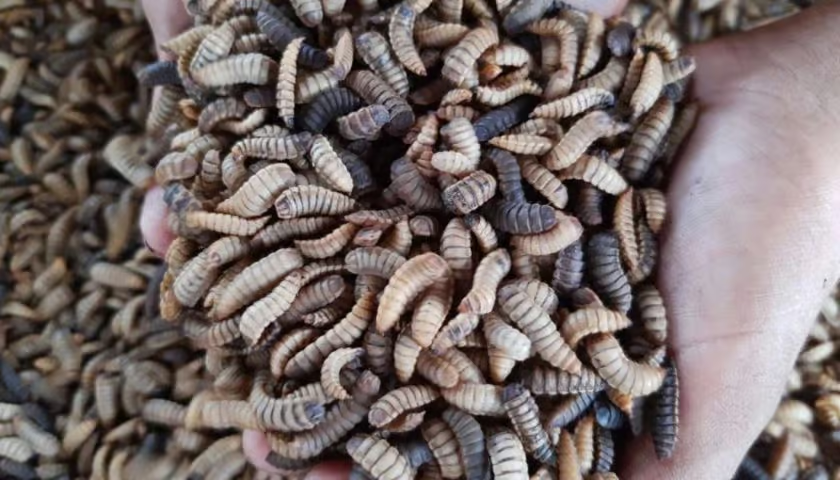
EUROPE – The European Commission has identified insect-derived protein as a potential way to reduce the European Union’s reliance on imported feed ingredients, with its new Protein Action Plan targeting 35% EU-sourced high-protein feed by 2035.
The plan identifies insects as an emerging nutrient source for animal nutrition and encourages greater use of food-industry by-products and co-products in feed, supporting circular approaches to feed production.
Companion studies on aquafeed and reducing greenhouse gas emissions from aquaculture reinforce this policy direction.
These studies examine the potential of alternative feed ingredients and identify barriers to wider adoption, including production costs, limited supply, and regulatory restrictions.

The Action Plan calls on Member States to integrate alternative proteins into national and regional strategic plans.
It also identifies opportunities to support industrial-scale production through EU funding mechanisms and research investment aimed at improving the competitiveness of alternative proteins.
For the animal feed industry, insect meal could provide an additional protein source for livestock and aquaculture diets while helping utilise suitable food-chain by-products.
However, scaling up production will depend on improving cost competitiveness and securing consistent supplies.

The Commission’s aquafeed study recognises insect meal’s nutritional potential and existing authorisation for certain feed uses, while highlighting cost and supply constraints that could limit uptake without further investment.
A separate study on reducing greenhouse gas emissions from aquaculture identifies regulatory barriers affecting insect production and use.
Its recommendations include reviewing restrictions on insect-feeding substrates, supporting industrial-scale facilities through public co-financing and reducing investment risks. It also proposes binding targets for replacing conventional aquafeed ingredients.
The studies also highlight funding opportunities through the European Maritime, Fisheries and Aquaculture Fund (EMFAF), including support for eligible projects using insect-based feed ingredients.
MEP Paulo do Nascimento Cabral, vice-chair of the European Parliament’s Fisheries Committee, said insect protein could help reduce the EU’s dependence on imported feed.
“What is needed now is regulatory reform, investment in scale-up and market incentives to secure the EU’s aquaculture resilience and global leadership,” Cabral said.
The International Platform of Insects for Food and Feed (IPIFF) and the Parliament will convene EU policymakers and representatives from the aquaculture, livestock, and circular-economy sectors on 8 December to discuss policy priorities, regulation, and investment needs for the insect sector.
The Commission’s forthcoming Vision for Aquaculture and Fisheries is expected to provide further policy context for the sector.
Sign up HERE to receive our email newsletters with the latest news updates and insights from Africa and the World, and follow us on our WhatsApp channel for updates.

Be the first to leave a comment