
South Africa poultry industry calls for vaccination to protect feed value chain
The South African Poultry Association wants vaccination, renewed anti-dumping duties and higher chicken consumption to drive industry growth.
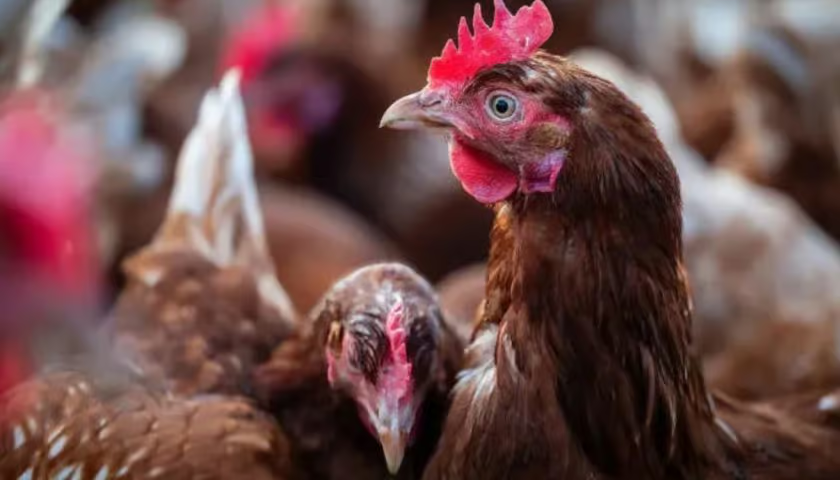
SOUTH AFRICA – The South African Poultry Association (SAPA) has called for avian influenza vaccination, renewed anti-dumping duties and increased chicken consumption to anchor a new poultry industry master plan, highlighting the sector’s links to feed manufacturing and grain production.
SAPA chief executive Izaak Breitenbach said the poultry industry had faced serious financial pressure for about a decade before 2019, leaving producers with limited capacity to reinvest as domestic production declined and imports increased.
“When we started the Poultry Master Plan with the government, we found that dumped imports were the root cause of the decline of the local industry,” Breitenbach told The National.
The existing master plan focused on tackling anti-dumping duties and illegal imports. According to Breitenbach, the industry has since secured anti-dumping duties against nine countries, and applications are now underway to renew measures that expire after five years.

Poultry growth supports feed manufacturing
Breitenbach said the poultry sector was among the largest in South African agriculture because of its links to grain production and animal feed manufacturing.
“We sit on top of the grain value chain, and if we can grow the poultry industry, we also grow the feed manufacturing industry. We grow the maize production industry. We grow the soya industry,” he said.
The industry has grown by 10% since 2019, according to Breitenbach, following years of decline.

Further expansion could boost demand for feed ingredients, particularly maize and soya, key inputs in poultry feed formulations.
The new master plan is expected to prioritise controlling avian influenza, increasing per capita chicken consumption and expanding exports of cooked poultry products.
SAPA has also applied to exempt frozen and fresh chicken offal and frozen bone-in chicken portions from value-added tax (VAT), aiming to improve access to animal protein among lower-income households.
Avian influenza drives vaccination calls
Breitenbach identified avian influenza as a major threat to poultry production, citing outbreaks in Europe and the Americas and risks associated with migratory birds.
South Africa recorded six outbreaks in 2026, all contained, he said. The 2023 outbreaks cost the industry approximately R10 billion in poultry stock losses alone.
“Migratory birds could contribute to the spread of the virus. We are picking them up as positive, and as you know, they migrate from Europe to South Africa. So there is a threat locally that we might get more outbreaks,” he said.
Breitenbach called for vaccination as part of the country’s disease-control strategy and said SAPA had asked Agriculture Minister Willie Aucamp to start a vaccination programme.
He cited France’s vaccination of 20 million ducks as an example of the approach, noting that infected ducks can transmit the virus to chickens without necessarily dying themselves.
“The duck wouldn’t necessarily die. But the duck will then infect chicken and whatever else it gets into contact with,” he said.
For South Africa’s poultry and feed industries, controlling avian influenza remains important to protecting production capacity and the demand for feed ingredients across the value chain.
Sign up HERE to receive our email newsletters with the latest news updates and insights from Africa and the World, and follow us on our WhatsApp channel for updates.

Be the first to leave a comment