
Nigeria seeks Uganda’s expertise to improve dairy feeding systems
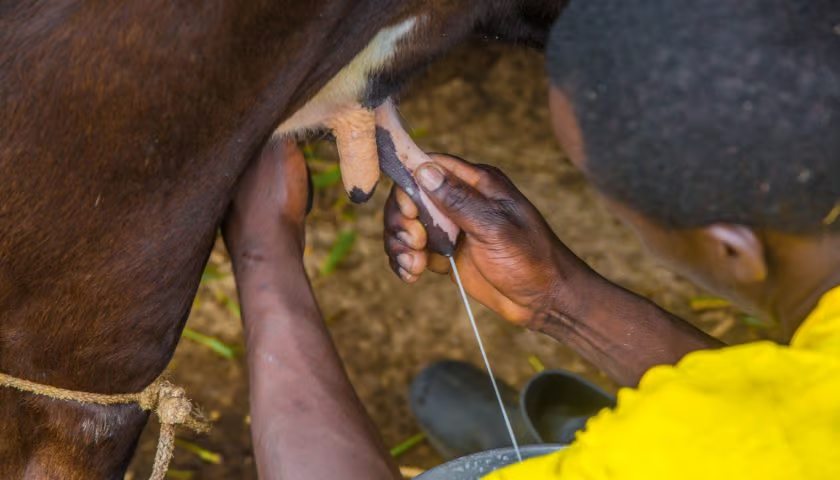
NIGERIA – Nigeria is seeking technical cooperation with Uganda on animal nutrition, cattle genetics, and livestock health to improve dairy productivity and double domestic milk production to 1.4 million tonnes annually by 2030.
Nigeria’s Minister of Livestock Development, Idi Mukhtar Maiha, met Uganda’s High Commissioner to Nigeria, Philip Odida, on 15 October 2026 to discuss knowledge exchange and opportunities to strengthen livestock production, according to Nigeria’s Federal Ministry of Livestock Development.
The discussions included feeding systems, improved animal genetics, disease management and dairy processing.
Private-sector representatives also explored opportunities to process surplus milk into powdered and other value-added products for regional markets.

The talks build on an August meeting between the ministry and the Nigeria-Uganda Chamber of Commerce, which identified livestock feed and concentrates, fodder production, crossbreeding and technology transfer as potential areas for cooperation.
For Nigeria’s dairy sector, improving feed availability and quality could help address productivity constraints, particularly where cattle have limited access to appropriate nutrition.
Better feeding systems, combined with improved genetics and animal health management, could help farmers increase milk output and use their herds more efficiently.
Uganda’s dairy growth offers lessons

Uganda’s expansion in milk production and dairy exports provides a reference point for Nigeria’s efforts to strengthen its domestic industry.
Data compiled by Uganda’s Ministry of Agriculture show that milk production increased from 2.7 billion litres in 2020 to 5.4 billion litres in 2024.
Dairy export earnings also rose from US$102.6 million in 2022 to US$285.4 million in 2024, with milk powder and ultra-high-temperature (UHT) milk among the country’s principal dairy exports.
Nigeria is seeking to apply lessons from other African dairy industries while adapting them to its own production systems.
The country’s target, announced in June 2025, is to increase annual milk production from approximately 700,000 tonnes to 1.4 million tonnes by 2030.
Achieving that goal will require improvements beyond cattle breeding alone. Reliable feed and fodder supplies, access to veterinary services, and better farm management will help increase productivity, while stronger milk collection and processing infrastructure will connect higher farm output to markets.
The proposed Nigeria-Uganda cooperation could create opportunities for knowledge exchange and investment in animal nutrition and livestock production.
Its impact will depend on translating discussions into practical measures that improve feed access, cattle performance and milk yields under Nigerian farming conditions.
Sign up HERE to receive our email newsletters with the latest news updates and insights from Africa and the World, and follow us on our WhatsApp channel for updates.


Be the first to leave a comment