

Canadian salmon feed contains 80% non-fish ingredients
Canadian salmon farmers report growing use of alternative feed ingredients, including algae oils, insect proteins and fermentation-derived proteins.
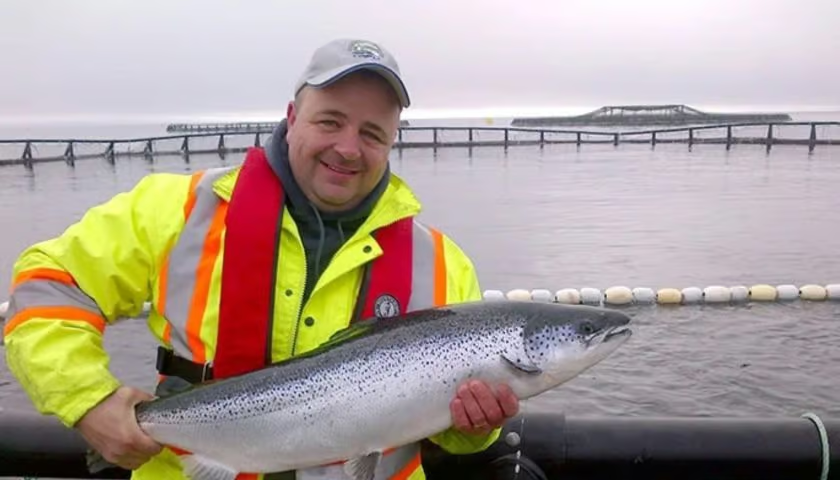
CANADA – Non-fish ingredients make up 80% of salmon feed in Canada, according to preliminary sustainability figures released by Canadian Seafood Farmers, highlighting a shift toward more diverse feed formulations and alternative protein and oil sources in aquaculture.
The association, formerly known as the Canadian Aquaculture Industry Alliance, said 95% of fish-derived feed ingredients come from certified sustainably managed fisheries.
It released the figures ahead of a more comprehensive sustainability report scheduled for November 2026.
When salmon farming began in Canada nearly 50 years ago, fish and fish products accounted for all feed ingredients, according to the association.

The latest figures reflect a substantial change in formulations as producers incorporate a wider range of ingredients.
Timothy Kennedy, president and chief executive officer of Canadian Seafood Farmers, said the industry was committed to sustainable sourcing and continued innovation.
Canadian fish feed producers are developing and testing emerging ingredients, including omega-3-rich algae oils, fermentation-derived single-cell proteins and insect proteins.
These alternatives could broaden the range of ingredients available to feed formulators while helping reduce reliance on conventional marine-derived inputs.

Domestic agriculture supplies salmon feed ingredients
Canadian salmon farmers buy more than US$250 million worth of grains, seeds, oils, and other proteins from domestic farmers each year, according to Kennedy.
He said further growth in salmon farming could create additional market opportunities for Canadian agricultural producers while increasing domestic salmon supplies.
The association released the preliminary figures after media coverage of salmon feed ingredient sourcing.
The association said its forthcoming report, expected in November 2026, will provide more comprehensive sustainability data.
The figures highlight changes in salmon feed composition, but the association has not yet provided a detailed breakdown of non-fish ingredients or the proportions contributed by individual alternative ingredients.
Sign up HERE to receive our email newsletters with the latest news updates and insights from Africa and the World, and follow us on our WhatsApp channel for updates.

Be the first to leave a comment