

Cameroon targets maize output increase to strengthen animal feed supply
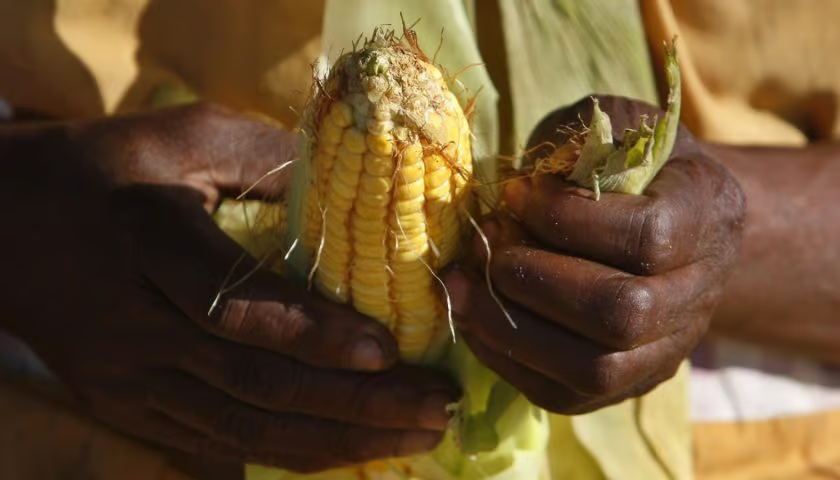
CAMEROON – Cameroon plans to raise annual maize production to 6 million tonnes by 2030, a move that could expand domestic supply for animal feed manufacturers and help address raw-material sourcing challenges in a market where maize demand exceeds current production.
The target forms part of the AgriConnect Compact, launched by the government in partnership with the World Bank Group on 21 October 2026.
The initiative aims to improve smallholder farmers’ productivity, expand access to finance and markets, introduce digital solutions and attract private investment across eight agricultural value chains, including maize and soybeans.
Cameroon produced 2.4 million tonnes of maize, up nearly 3.5% year-on-year, according to the Ministry of Agriculture and Rural Development.

Annual domestic demand is about 2.8 million tonnes, with imports helping meet brewing companies’ and livestock producers’ needs.
Maize remains important to feed manufacturers
Maize is a major raw material for manufactured animal feed, particularly for poultry and pig production.
According to a study cited by local business publication Business in Cameroon, animal feed manufacturing accounts for about 16% of Cameroon’s maize production, while human consumption accounts for 58% and the brewing industry uses 2%.

Despite domestic demand, Cameroon exports a significant share of its maize harvest to neighbouring countries within the Central African Economic and Monetary Community (CEMAC).
These exports can reach 500,000 tonnes annually, according to the study.
The country nevertheless continues to import maize because foreign supplies can be more competitively priced than locally produced grain.
Data from Cameroon’s National Institute of Statistics show that imports rose from about 40,000 tonnes in 2023 to 81,233 tonnes in 2024, then fell to 72,586 tonnes in 2025.
The trend has made it harder for local farmers to sell their harvests. In May 2026, the Minister of Trade proposed suspending maize imports to support the domestic market.
Production growth will need to reach feed mills
The planned production increase could expand the supply base available to feed manufacturers, but its impact will depend on how effectively additional maize reaches domestic buyers.
Competitive pricing, market access, and the ability to move and store grain will remain key factors in determining whether higher output improves raw material availability for feed producers.
Through AgriConnect, Cameroon aims to strengthen agricultural productivity and market access while encouraging investment across the targeted value chains.
Whether the initiative can narrow the gap between domestic production and industrial demand will be important for the country’s feed manufacturing sector.
Sign up HERE to receive our email newsletters with the latest news updates and insights from Africa and the World, and follow us on our WhatsApp channel for updates.


Be the first to leave a comment