Search Results for: kenya
-

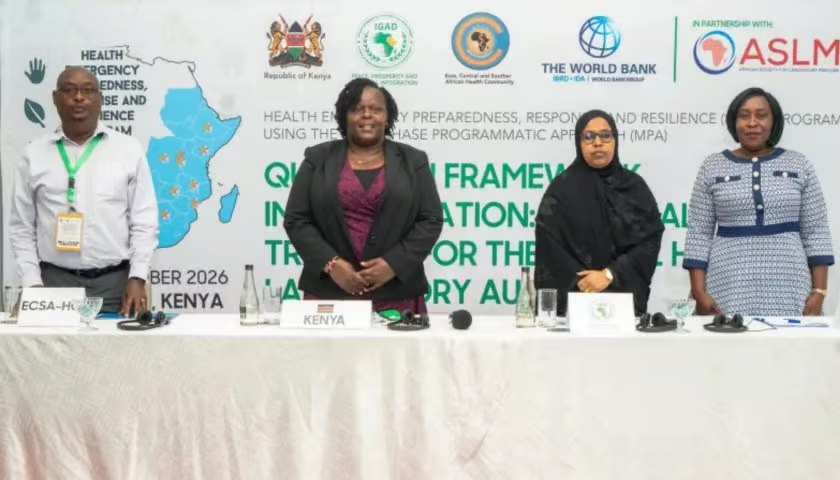
Kenya’s shortage of animal health lab auditors prompts regional training
The regional programme aims to build local expertise in laboratory quality management.
-
Kenya introduces Livestock Bill to regulate animal feeds
The proposed law would establish a dedicated livestock regulator, research institutions and a development fund to strengthen production, animal health and market access.
-
Kenya’s barley boom raises questions for animal feed supply
Rising export demand is widening the price gap between malting and feed-grade barley, with implications for ingredient sourcing and competition with maize.
-
Kenyan dairy farmers seek feed tax relief amid milk shortage
Farmers are demanding lower feed costs, stronger cooperatives, and better veterinary services as Kenya grapples with milk shortage.
-
ESR partners with Rio Fish to strengthen tilapia welfare in Kenya
They aim to raise fish welfare standards and responsible aquaculture practices in Kenya, while extending those practices to Rio Fish’s wider farmer network.
-
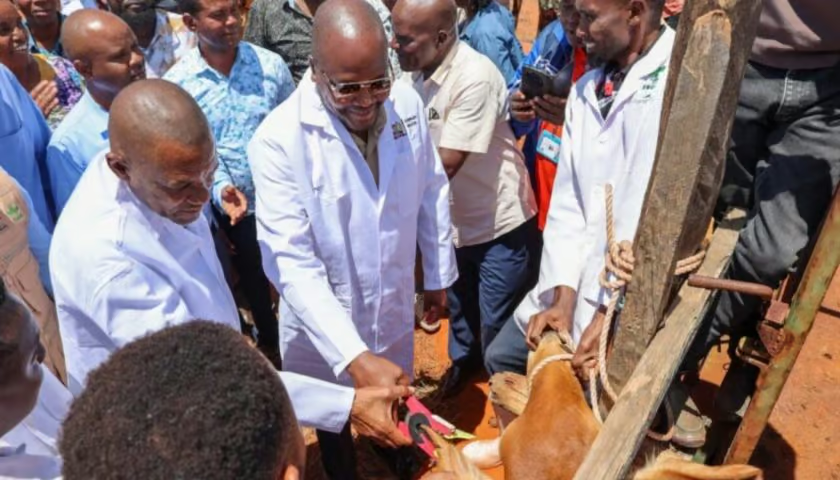
Kenya hands over Bachuma livestock export zone to private operator
Kenya’s Bachuma livestock export zone is set to support disease surveillance, traceability and access to international livestock markets.
-
IFAD approves additional US$55M for Kenya livestock programme
The programme currently benefits more than 100,000 rural households across 10 counties.
-
Kenya reports 1,470 pig deaths as African swine fever outbreaks continue
Kenya has no effective ASF treatment or commercially available vaccine, making early detection, movement controls and farm biosecurity critical.
-
Kenya unveils US$16.3M livestock plan ahead of El Niño
The government will allocate KSh1.5 billion (US$11.6 million) for vaccines, veterinary medicines, lab supplies, mobile clinics and emergency response equipment.
-
Kenya health experts call for One Health approach to tackle antimicrobial resistance
Scientists also warned of rising disease transmission between animals and humans linked to antimicrobial resistance.